Three Dimentional Structure
Intact structure provides a framework to support
tissue regeneration.

Kerecis VET is an intact fish skin that has been successfully used to support tissue regeneration and repair in various animal species. Kerecis fish skin products are FDA cleared for diverse clinical applications. Our proprietary manufacturing method, which involves minimal processing, allows the fish skin to preserve its natural qualities, including its three-dimensional structure, mechanical properties, molecular organization, and composition. [2][3]
When grafted onto damaged tissue, such as a burn or wound, the fish skin recruits the body’s own cells, supporting the ability to regenerate. [1]
The superior clinical and economic performance of Kerecis fish skin has been demonstrated in multiple human blinded, randomized, controlled clinical trials[3,4,5] and numerous other clinical studies.[6-14]
Kerecis® VET is indicated for the management of wounds including:

The intact fish-skin graft in various sizes.

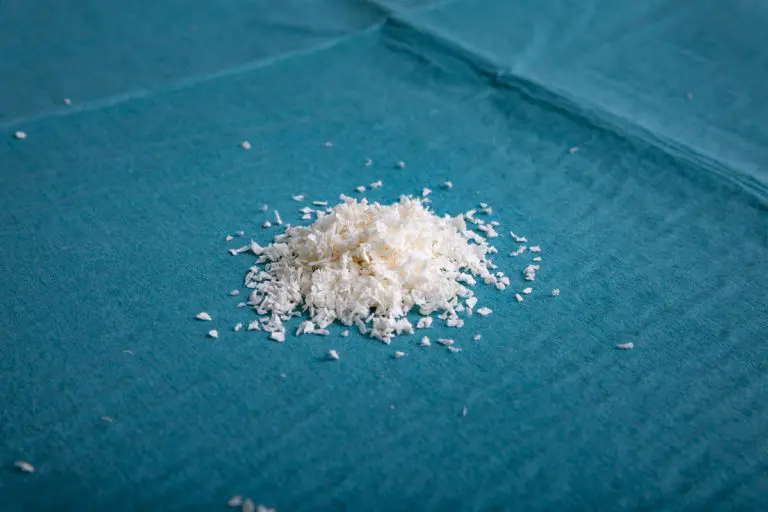
Micro is a unique configuration of the intact fish skin graft. It is fragmented into smaller units, allowing it to fill uneven and irregular wound spaces. The product offers excellent ease of use and application handling.
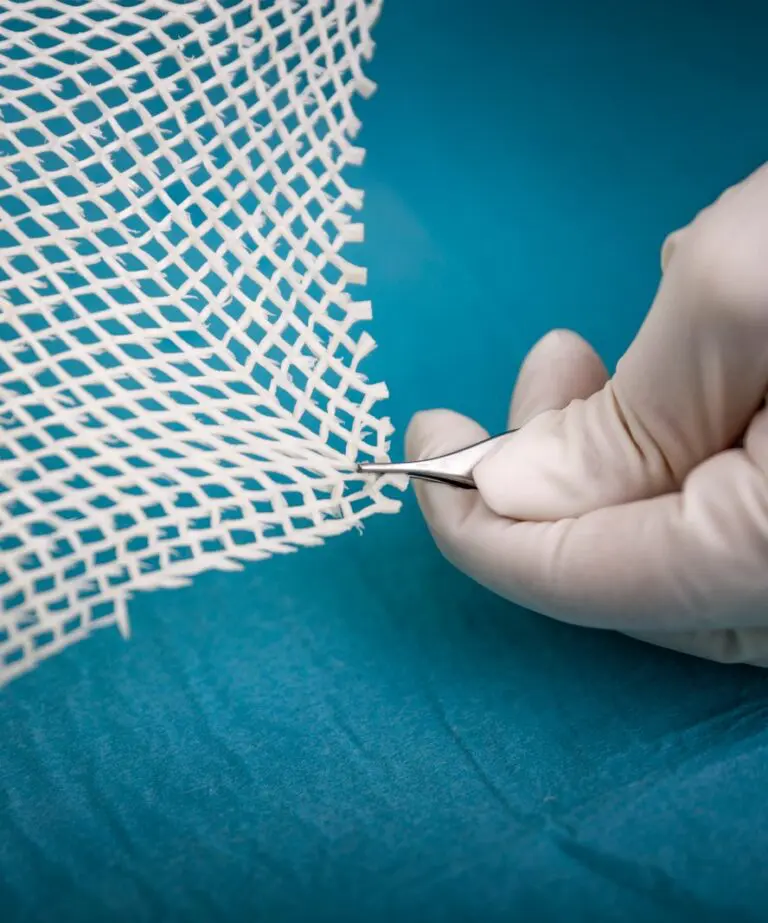
2:1 pre-meshed intact fish-skin graft designed to expand and cover larger wounds. Provides a viable clinical and economic solution for large wounds.
Magnusson, S., et al. Decellularized fish skin: characteristics that support tissue repair. Laeknabladid. 101, 567–573 (2015).
Rakers, S., et al. ‘Fish matters’: the relevance of fish skin biology to investigative dermatology. Exp Dermatol. 19, 313–324 (2010).
Baldursson, B. T., et al. Healing rate and autoimmune safety of fullthickness wounds treated with fish skin acellular dermal matrix versus porcine small-intestine submucosa: a noninferiority study. Int J Low Extrem. Wounds. 14, (2015).
Kirsner, R. S., et al. Fish skin grafts compared to human amnion/chorion membrane allografts: A double-blind, prospective, randomized clinical trial of acute wound healing. Wound Repair and Regeneration, 28(1), 75-80 (2020).
Lullove, E. J., et al. A multicenter, blinded, randomized controlled clinical trial evaluating the effect of Omega-3–rich fish skin in the treatment of chronic, nonresponsive diabetic foot ulcers. Wounds (2021).
Winters, C., et al. Cost Effectiveness of Fish Skin Grafts Versus Standard of Care on Wound Healing of Chronic Diabetic Foot Ulcers: A Retrospective Comparative Cohort Study. Wounds. 32(10):283-290.(2020).
Stone, II, R., et al. Accelerated Wound Closure of Deep Partial Thickness Burns with Acellular Fish Skin Graft. Int J Mol Sci. 22(4):1590 (2021).
Yang, C.K., et al. A Prospective, Postmarket, Compassionate Clinical Evaluation of a Novel Acellular Fishskin Graft Which Contains Omega-3 Fatty Acids for the Closure of Hard-toheal Lower Extremity Chronic Ulcers. Wounds. 28(4):112-8 (2016).
Trinh, T. T., et al. Marine Omega3 Wound Matrix for the Treatment of Complicated Wounds. Phlebologie. 45, 93–98 (2016).
Woodrow, T., et al.Treatment of diabetic foot wounds with acellular fish skin graft rich in omega-3: a prospective evaluation. J Wound Care. 28, 76–80 (2019).
Sitje, T. S., et al. A. Clinical innovation: fish-derived wound product for cutaneous wounds. Wounds Int. 2018 9, 44–50 (2018).
Patel, M. & Lantis II, J. C. Fish skin cellular dermal matrix: potential in the treatment of chronic wounds. Chronic Wound Care Manag Res. 6, 59–70 (2019).
Sibbald, R., et al. Special considerations in wound bed preparation 2011: An update. Adv Skin Wound Care. 24(9):415-36 (2011).
Wallner, C., et al. The Use of Intact Fish Skin as a Novel Treatment Method for Deep Dermal Burns Following Enzymatic Debridement: A Retrospective Case-Control Study. Euro Burn J. 3(1):43-55 (2022).
Magnusson S, et. al. Regenerative and Antibacterial Properties of Acellular Fish Skin Grafts and Human Amnion/ Chorion Membrane: Implications for Tissue Preservation in Combat Casualty Care, Military Medicine, Volume 182.1, March 2017
Andrews JW, Adams MJ, Montenegro-Johnson TD. A universal scaling law of mammalian touch. Sci Adv. 2020 Oct 9;6(41):eabb6912. doi: 10.1126/sciadv.abb6912. PMID: 33036967; PMCID: PMC7546702.
Mauer, E. et al. (2022). Acellular fish skin grafts for the management of wounds in dogs and cats: 17 cases (2019-2021). American Journal of Veterinary Research, 83(2), 188-192. https://doi.org/10.2460/ajvr.21.09.0140
Yoon J, Yoon D, Lee H, Lee J, Jo S, Kym D, Yim H, Hur J, Chun W, Kim G, Cho YS. Wound healing ability of acellular fish skin and bovine collagen grafts for split-thickness donor sites in burn patients: Characterization of acellular grafts and clinical application. Int J Biol Macromol. 2022 Apr 30;205:452-461. doi: 10.1016/j.ijbiomac.2022.02.055. Epub 2022 Feb 14. PMID: 35176324
Magnusson, S. et al. Regenerative and Antibacterial Properties of Acellular Fish Skin Grafts and Human Amnion Chorion Membrane: Implications for Tissue Preservation in Combat Casualty Care. Mil. Med. 182, 383–388 (2017).
Alam, K. & Jeffery, S. L. A. Acellular Fish Skin Grafts for Management of Split Thickness Donor Sites and Partial Thickness Burns: A Case Series. Mil Med. 184(Suppl 1):16-20 (2019).
Shupp, J. W. et al. Fish Skin Compared to Cadaver Skin as a Temporary Covering for Full Thickness Burns: An Early Feasibility Trial. Poster presented at: AMUS 2020 Annual Meeting (2020).
Stone, R. 2nd, et al. Omega-3 Rich Fish Skin Grafts Reduce Donor Skin Requirements for Full Thickness Burns. J. Burn Care Res. 39, S234–S235 (2018).
Wang, Y. et al. Burn injury: challenges and advances in burn wound healing, infection, pain and scarring. Advanced drug delivery reviews, 123, 3-17 (2018).
From the town of Ísafjörður in northwest Iceland, Kerecis develops, manufactures, and distributes patented fish-skin medical devices that support soft tissue regeneration in the body, with regulatory clearance in the United States, Europe, and beyond.