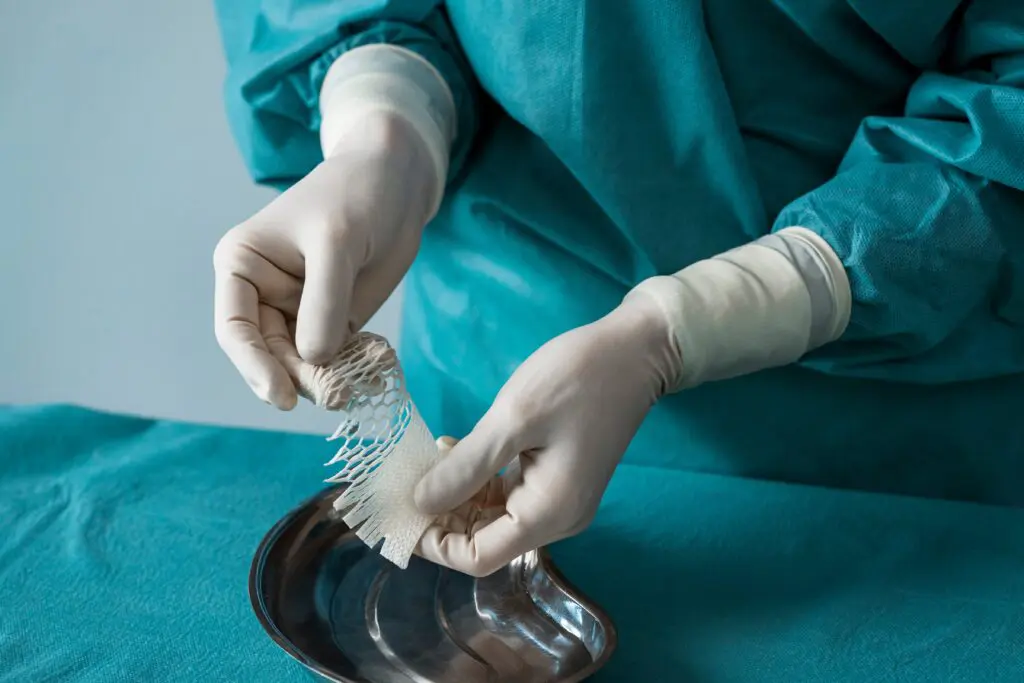
Charlotte, North Carolina – April 7, 2026 – Kerecis, the company pioneering the use of sustainably sourced fish-skin in cellular therapy and tissue regeneration, will showcase its intact fish-skin technology and highlight new clinical data on pressure ulcers at the Symposium on Advanced Wound Care (SAWC) Spring 2026, taking place April 8-11 at the Charlotte Convention Center in Charlotte, North Carolina. The company will also emphasize expanded multi-specialty adoption. Visitors can explore Kerecis’ portfolio of intact fish-skin grafts and complementary Biatain wound dressing solutions at Booth 1508, clinical insights and clinical trial results on the intact fish-skin platform will be presented at an industry-supported symposium, while clinicians present 13 abstracts on intact fish-skin technology during the symposium.
The industry-supported symposium titled, “Reeling in Results: Clinical Applications of Fish-Skin Grafts in Chronic and Atypical Wounds.” will take place on Thursday, April 9, 2026, from 4:30 PM to 5:30 PM EDT, will feature clinical insights on real-world applications of fish-skin grafts across complex and atypical wounds and the new clinical research.
The clinical insights on real-world applications of fish-skin grafts across complex and atypical wounds will be presented by Dr. Anamika Agrawal, Dr. John C. Lantis II, and Carrie McGroarty, PA-C, MPAS, EdD.
The new clinical research will be presented by Dr. John C. Lantis II. The real-world trial found that intact fish-skin demonstrated superior clinical effectiveness when compared with standard care for treating severe, hard-to-heal Stage 3 and 4 pressure ulcers in 80 patients.
Key findings include:
The research was authored by Dr. Hongyu Miao (Florida State University), Ben LeBoutillier (Intellicure, LLC), Dr. John C. Lantis II (Mount Sinai West and Icahn School of Medicine), and Dr. Caroline Fife (Intellicure, LLC; Baylor College of Medicine). The study evaluated a highly complex, real-world patient population with only 37.5% of the patients being ambulatory and a high prevalence of severe comorbidities, including diabetes (27.5%), peripheral artery disease (25.0%), and autoimmune disease (25.0%) and is available as a pre-print.
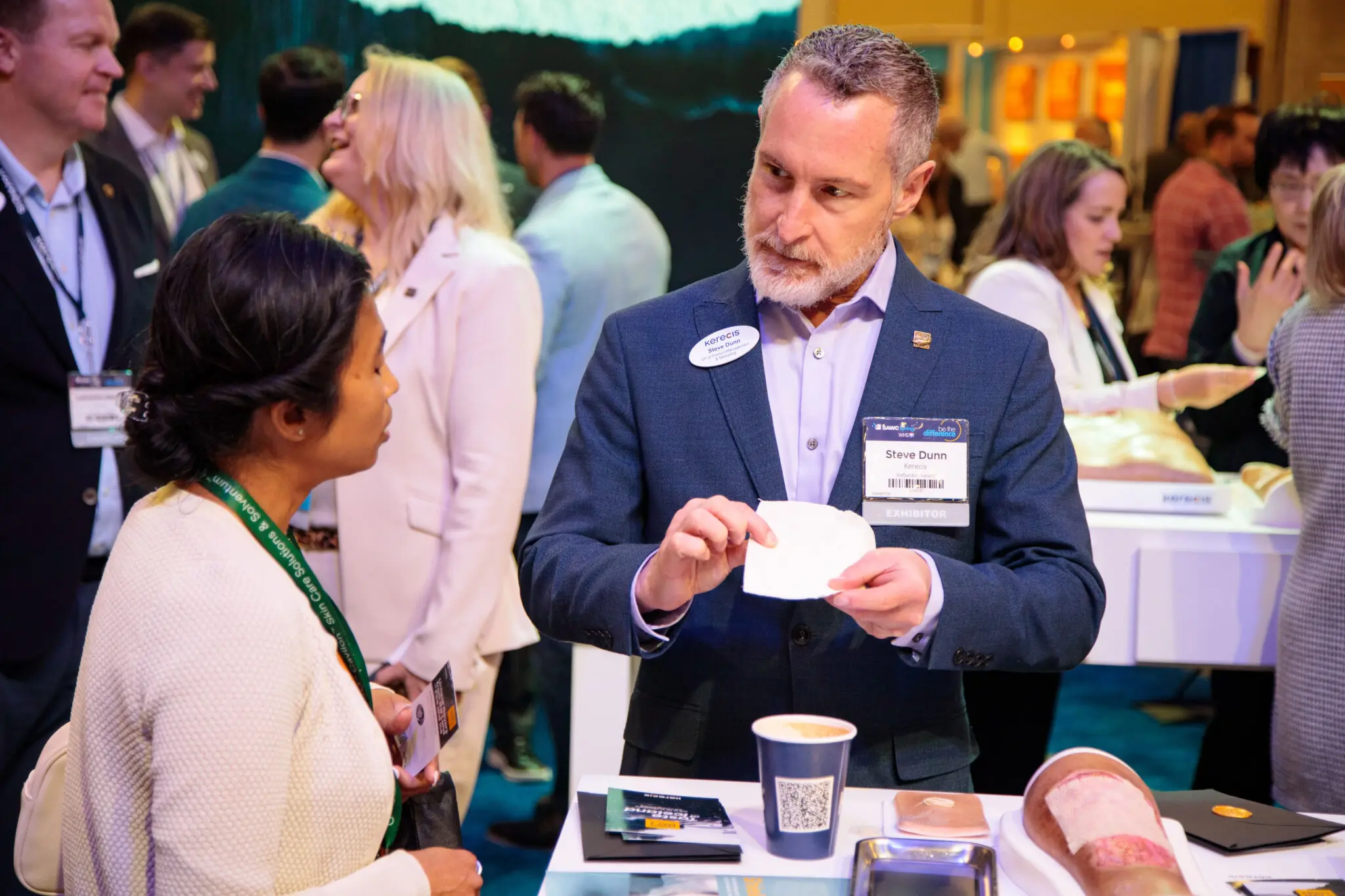
Furthermore, 13 abstracts spanning multiple specialties, underscoring the growing body of evidence supporting intact fish-skin technology will be presented at the symposium’s poster reception on Friday, April 10, 2026, 7:30 PM – 8:30 PM EDT in Hall C1.
Mark Suski, MD (Plastic and General Surgery)
Gregory Sheremeta, DPM (Podiatry)
Russell Rowe, MD (Dermatology/Mohs)
Roxana Reyna, NP (Tissue Repair)
Ian Barron, DPM (Podiatry)
Liz Faust, NP (Tissue Repair)
Marcus Duda, MD (Orthopedics)
Arthur Evensen, DPM (Podiatry)
Hailey Caprara, RN (Tissue Repair)
With participation from surgeons, podiatrists, vascular specialists, and advanced practice providers, Kerecis’ presence at SAWC Spring reflects continued adoption across specialties and care settings, supported by expanding clinical evidence and real-world experience.
Visitors to Booth 1508 will have the opportunity to engage with clinical experts, explore new data, and learn how intact fish-skin technology is being applied to address real-world challenges in tissue repair.
From the town of Ísafjörður in northwest Iceland, Kerecis develops, manufactures, and distributes patented fish-skin medical devices that support soft tissue regeneration in the body, with regulatory clearance in the United States, Canada, Europe, and beyond.