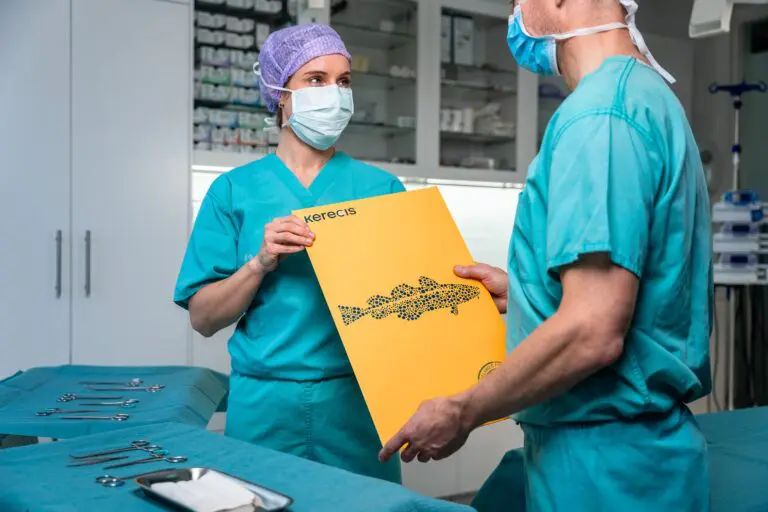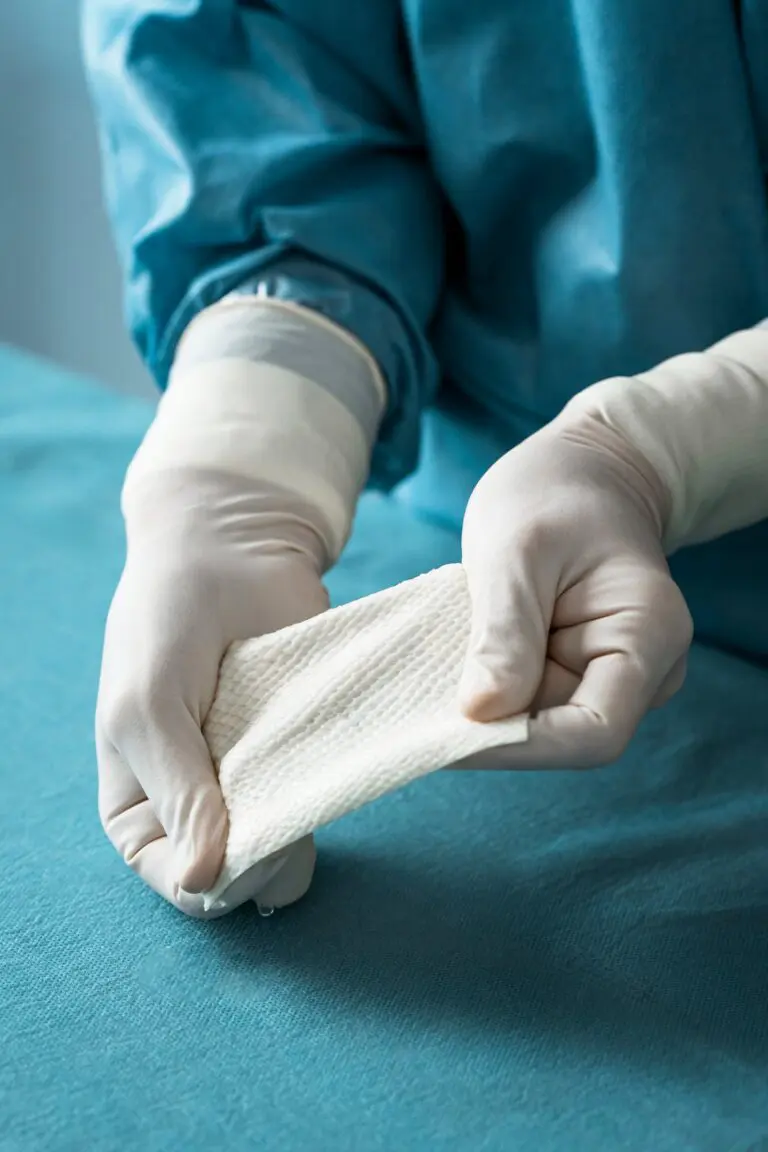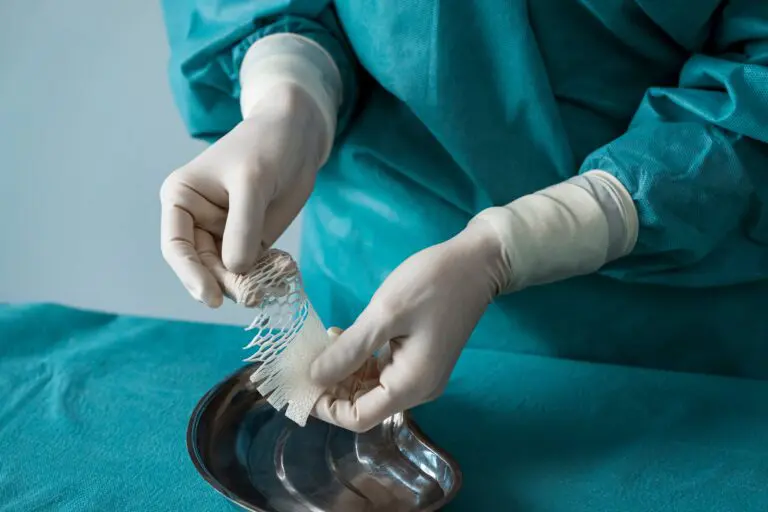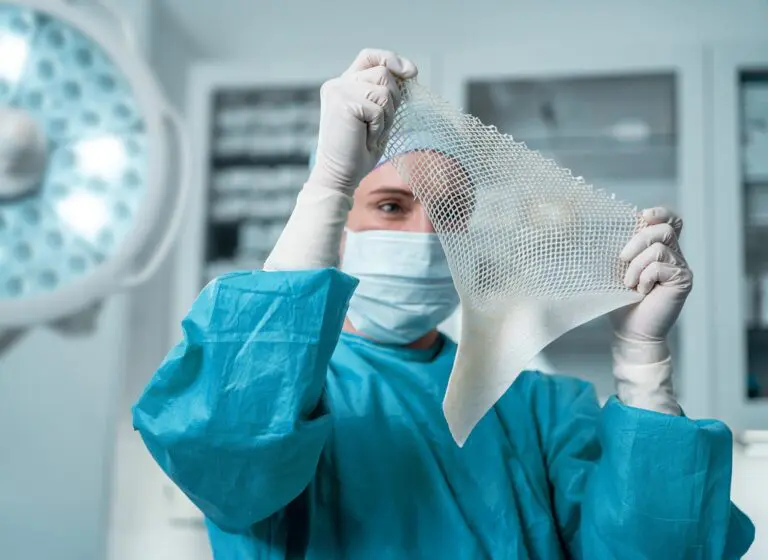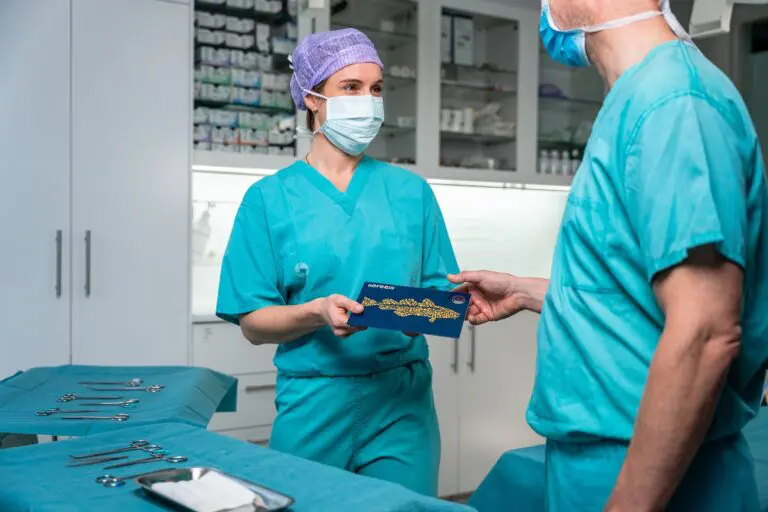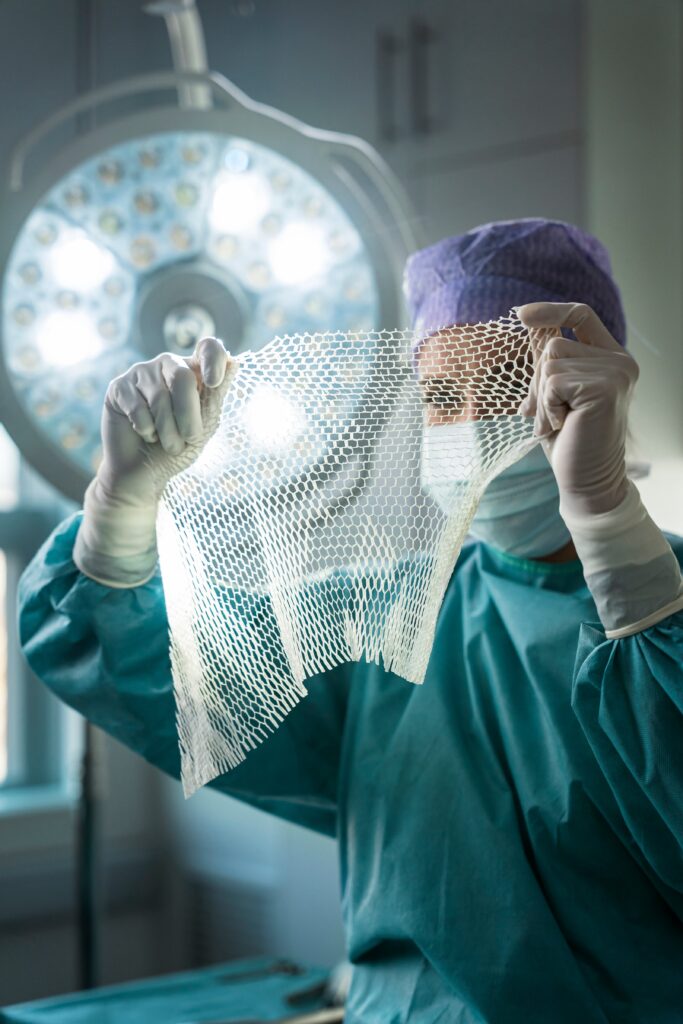
Orlando, FL – April 16, 2026 – Kerecis, the company pioneering the use of sustainably sourced fish‑skin in tissue regeneration, announced today at the American Burn Association Annual Meeting that new study data shows that intact fish‑skin grafts significantly reduce hospital length of stay for severely burned patients requiring skin grafting. The conference is being held at the Rosen Shingle Creek Conference Hotel in Orlando, FL, where Kerecis is exhibiting at Booth 707.
The retrospective, propensity-matched, cohort study drew on de-identified data from the American Burn Association’s Burn Care Quality Platform database and compared clinical results for 465 patients that either were treated with Kerecis intact fish-skin grafts or products made from reconstituted cross-linked collagen and synthetic polyurethane. The database is the association’s national registry that captures burn care outcomes across the United States. The study analyzed outcomes across 61 burn centers. Data management and statistical analysis were performed independently by BData and Frameshift respectively, third‑party analytics firms, to ensure objective evaluation.
After adjusting for age, gender, total body surface area burned, burn severity, inhalation injury, and trauma diagnosis using generalized linear mixed models, the study found:
A prespecified sensitivity analysis including a broader mixed-product cohort (n = 687) confirmed the primary findings, with patients treated with intact fish-skin achieving an adjusted hospital length of stay of 27.6 days versus 38.5 days (p < 0.001).
The new clinical research will be presented by Rajiv Sood, MD, FACS during a symposium lecture titled “Decoding Fish Skin in Burn Care: Treatment Algorithms, Mechanism of Action, and Real‑World Application,” held in the Conway Room at the Rosen Shingle Creek Conference Hotel today from 5:40 PM to 6:30 PM EDT.
The research was authored by Rajiv Sood, MD, FACS (Burn and Reconstructive Centers of America and Kerecis Scientific Advisory Board member), Nathanael Hevelone, MPH (Bdata), Olafur B. Davisson, PhD (Frameshift), Ragnar P. Kristjansson, PhD (Frameshift), Bart Phillips, MS (BData), John C. Lantis II, MD, FACS (Mount Sinai West, Icahn School of Medicine and Kerecis Scientific Advisory Board member), and Gunnar Johannsson, MD (Kerecis). A preprint of the study results is currently available.


The preprint discusses that the observed difference in hospital length of stay appears to be driven by two factors. One is the ability of fish-skin to prepare a substantive wound bed efficiently, well suited for skin grafting. The other is that reconstituted and synthetic polyurethane products impose an integration timeline that may exceed what many of these wounds require. The authors note that not every burn benefits from a product that takes several weeks to vascularize. For burns that represent a large portion of clinical practice, injuries serious enough to require a dermal template, but not so extensive that donor site cycling becomes the limiting factor, the analysis indicates that intact fish skin grafts support faster preparation, reliable graft take, and a clean complication profile with practical ease of use.
From the town of Ísafjörður in northwest Iceland, Kerecis develops, manufactures, and distributes patented fish-skin medical devices that support soft tissue regeneration in the body, with regulatory clearance in the United States, Europe, and beyond.